







Search Results for: Fruit Coffee

Where Do Tropical Fruit Flavors in Coffee Beans Come From? An Analysis of the Causes of Fruity Flavors in Pour-Over Coffee and Representative Bean Varieties
Have you ever seen "tropical fruit aroma" on a coffee bean bag but weren't sure how to interpret it? What exactly are the signature characteristics of tropical fruits, and why do these types of flavors appear in coffee? Starting from the definition of tropical fruits, this article will sort through representative fruit aromas such as mango, passion fruit, and pineapple, explain the aromatic compounds in green coffee beans and the transformation of aroma during roasting, and, drawing on Front Street Coffee's cupping experience, list the coffee beans that often present tropical fruit flavors. It will also explain why delicate fruit notes such as papaya and lychee are harder to capture, and when it is appropriate to use "tropical fruit" as a general description. [more…]
Front Street Coffee Colombia Pine Tree Estate Anaerobic Dried Fruit Natural Coffee Beans: Fruit Wine Flavor and Castillejo Variety Analysis
This anaerobic dried-fruit natural coffee from Finca El Pino in Antioquia, Colombia, brought to you by Front Street Coffee, is a micro-lot custom-flavored bean from the 2019 harvest. It uses the Castillo variety and, through a refined anaerobic dried-fruit natural process, presents rich layers and extremely high sweetness. This coffee, named "Fruit Brew," is intended to express notes of ripe dried fruit and fruit wine. Front Street designed a well-developed light roast profile for it, striving to maintain a clear and intense flavor expression from high to low temperatures, with excellent smoothness and sweetness. This article will introduce in detail the background of Finca El Pino, the characteristics of the anaerobic dried-fruit natural process, and the flavor profile and roasting approach of this coffee, taking you deeper into the charm of this unique micro-lot coffee. [more…]
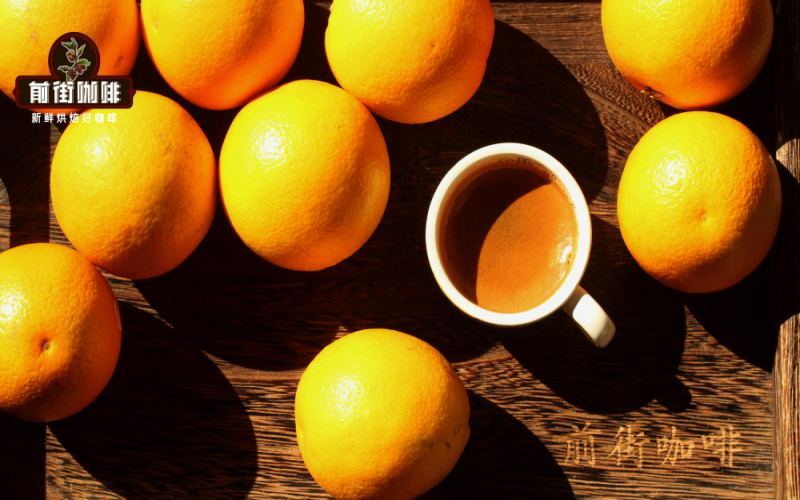
Where Does Coffee Fruit Aroma Come From? Analyzing the Causes of Tropical Fruit Notes and Recommended Representative Specialty Beans
Coffee itself belongs to the category of tropical fruits, but why can't fresh coffee cherries smell like the fruity aromas described on bean bags? The key to truly unlocking tropical fruit aromas in coffee lies in the aromatic compounds stored within the green beans and the chemical reactions that occur during roasting. Drawing on Front Street Coffee's cupping experience, this article will outline the logic behind the formation of tropical fruit flavors and their common types, and recommend several specialty coffees with intense ripe mango, distinct passion fruit sweetness and acidity, and pineapple notes. It will also explain why those lighter, harder-to-catch tropical fruit aromas appear less frequently. [more…]
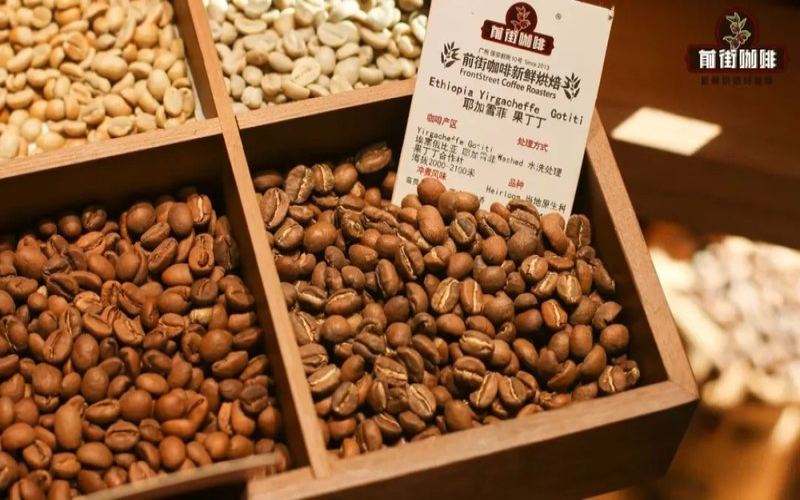
Tropical Fruit Coffee Beans: Roast Level Determines the Direction of Fruit Aromas
If you want to taste tropical fruit notes, the roast level is a very useful screening clue. Light roasts tend to retain more floral aromas, citrus acidity, and juicy character, coming across as bright and light on the palate; as the roast progresses toward the medium range, sweetness, body, and ripe fruit notes become more prominent. When buying, first look at the roast label, then combine it with whether you prefer a refreshing or a full-bodied taste. [more…]

Luckin stores add new muddlers and dicers, fresh-cut fruit could be the next move, raising concerns about workers' workload
In recent years, tea beverage brands have been adding fresh fruits and vegetables to their fruit tea products in pursuit of genuine ingredients. Luckin, however, has long relied on fruit concentrates and quick-frozen dried fruit due to the limitations of its store conditions, making many tea beverage peers envious. Recently, though, some Luckin stores in Guangdong, Chengdu, and other regions have successively received new materials such as muddling sticks, cut-resistant gloves, and labels for fruit washing machine storage areas, while internal order forms also list equipment including dicers and strawberry hullers. These tools have no direct connection to the drinks currently on sale, and the appearance of a bitter melon light-body fruit and vegetable tea and a bitter melon fruit and vegetable Americano—neither of which is on the menu—in the mini-program coupons has sparked employees' speculation that Luckin may introduce fresh-cut fruit. Once freshly cut fruit enters the production process, whether Luckin stores staffed by a single person can withstand peak-hour pressure has become the most anxiety-inducing question for workers. [more…]
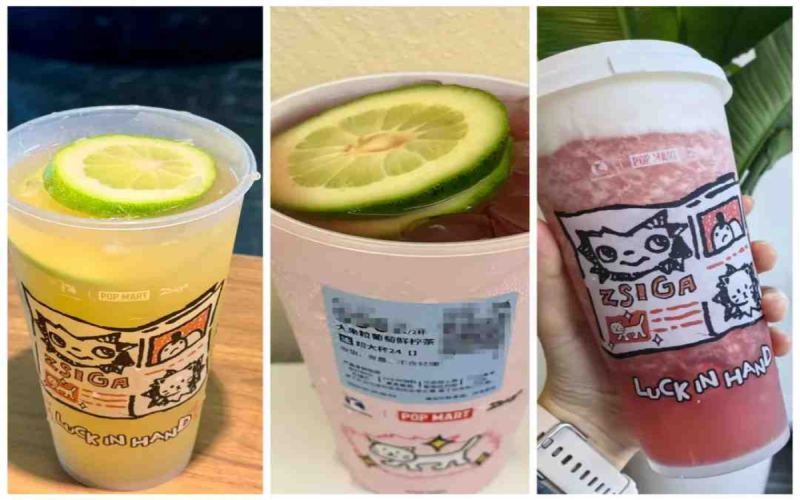
Luckin Regional Limited Release of Freshly Cut Fruit Drinks, Stores Add Slicing Tools Sparking Heated Discussion Among Employees and Consumers
Luckin Coffee recently launched region-exclusive new products in Shenzhen and Chengdu respectively. In Shenzhen, these include "Daily Fresh Lemon Tea," "Large Fruit Grape Fresh Lemon Tea," and "Fragrant Lemon Jasmine Americano," while Chengdu introduced "Snow Cheese Berry Berry." Unlike the previous use of freeze-dried fruit pieces, these new products incorporate fresh fruit handled on-site at the stores. The three lemon drinks in Shenzhen include lemon slices cut fresh the same day, and the Chengdu new product adds washed fresh strawberries. This change has raised consumer questions about whether stores are equipped for fresh cutting, and subsequently, Luckin employees in both locations posted photos of the delivered fruit and newly equipped fruit slicers as proof. However, employees in non-limited regions generally avoided commenting on this, and online reviews showed polarized opinions. [more…]
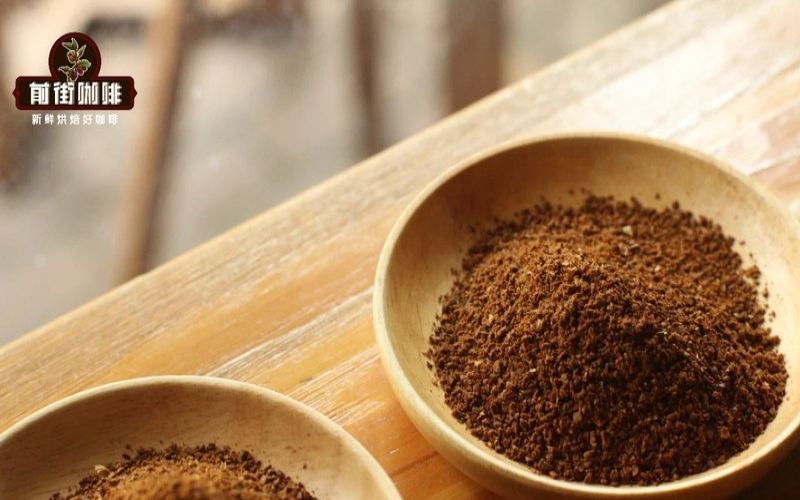
How to Choose Coffee Beans with Tropical Fruit Flavors: From Light Roast to Medium-Dark Roast
Tropical fruit flavors are commonly associated with notes like mango, passion fruit, pineapple, guava, and ripe berries. They smell bright and lively, and on the palate they easily bring out a juicy, sweet-tart quality. However, even when a coffee is described as fruity, different roast levels can make what’s in the cup shift from crisp fresh fruit to soft fruit jam. If you want to taste a particular kind of fruitiness, you can start with [more…]

Starbucks sued over fruit drink ingredients: does selling under fruit names without containing fruit constitute misleading?
Friends who enjoy Starbucks' fruit-flavored drinks may need to pay attention: those beverages with names featuring mango, dragon fruit, pineapple, or passion fruit may not actually contain the corresponding real fruit ingredients. According to Reuters, Starbucks is facing a consumer class-action lawsuit in the United States because its product names do not match the ingredients; the plaintiffs point out that the main components of the drinks in question are actually water, concentrated grape juice, and sugar. Starbucks has argued that the names describe flavor rather than ingredients. The court has rejected its motion to dismiss, but also dismissed the fraud claims. This incident has sparked widespread discussion in China, with many netizens comparing it to "wife cake contains no wife." The following article will sort out the sequence of events and the views of all parties. [more…]
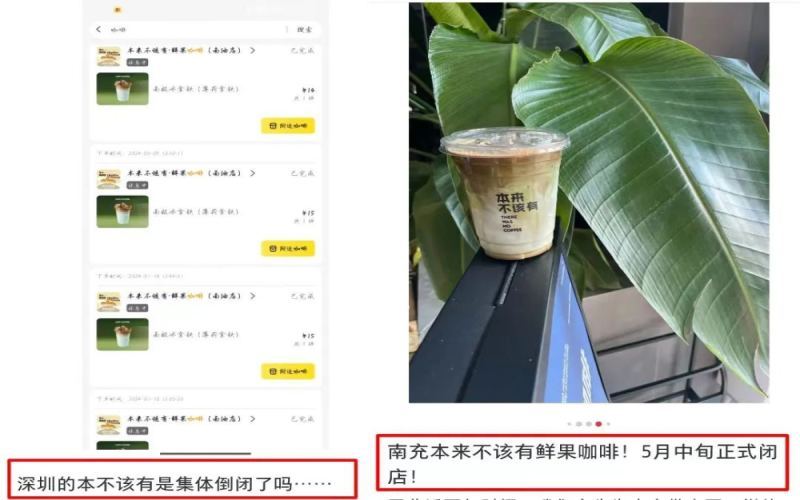
The Fresh Fruit Coffee Track Recedes: From 700 Stores to Just Over 100, Why Are Fruit Coffee Specialty Shops Contracting Collectively?
Fresh fruit coffee specialty stores, once hugely popular, are now undergoing a large-scale contraction. Fruit coffee brands represented by "Originally Shouldn't Have" have shrunk from a peak of 725 stores to just over 140, a closure rate of nearly 80%. Other brands specializing in fruit coffee are likewise facing sharp store reductions, closures, or forced transformation. Why has this niche category, which shot to fame around 2020, gone from capital darling to quiet exit in just a few short years? This article reviews the development trajectory and current state of the fruit coffee track, and includes Front Street Coffee's observations on industry trends. [more…]
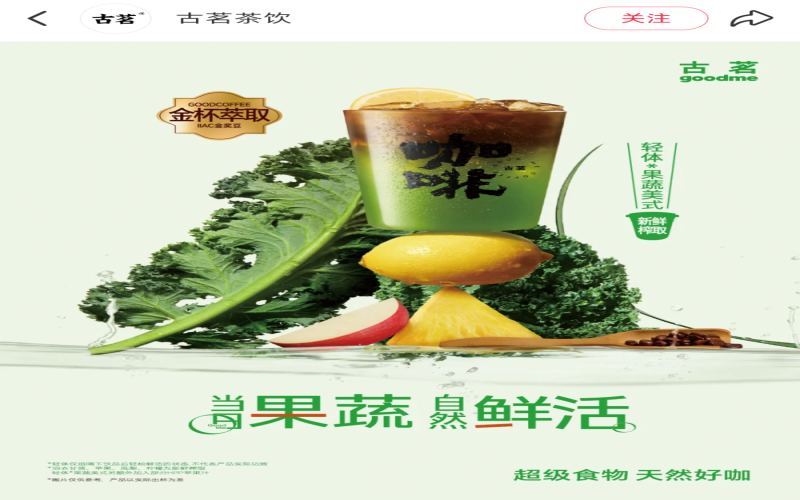
Guming Fruit & Vegetable Americano Real-World Review: Kale Meets Espresso, Sparking Debate Over Both Color and Taste
Following its light-body fruit and vegetable bottles and vitamin A fruit and vegetable bottles, Gu Ming has once again incorporated espresso into freshly squeezed fruit and vegetable juice, launching the new Light-Body Fruit and Vegetable Americano, in an attempt to attract more consumer groups with a combination of health and coffee. According to the official description, this product is centered on kale, paired with apples, yellow lemons, pineapples and other ingredients freshly squeezed on the same day, then infused with coffee liquid to add layers. However, after the new product launched, consumers' actual feedback presented a completely different picture: the appearance gradually changed from fresh leafy green to a dark yellow tone, and the taste was described as grassy, medicinal, or even like cold sour vegetable soup. This article compiles the formula information, visual changes, and genuine netizen reviews of this fruit and vegetable Americano for coffee lovers' reference. [more…]
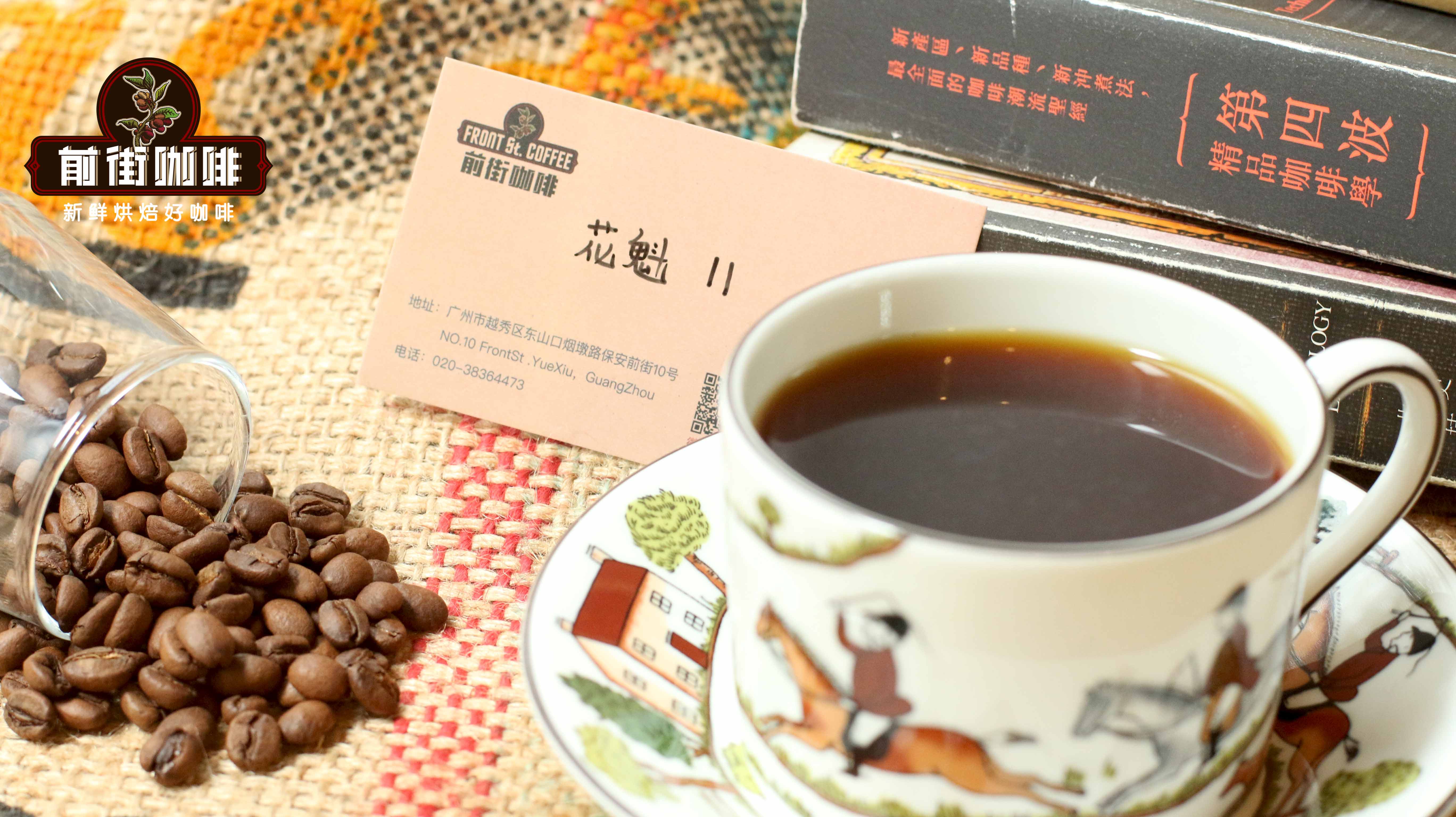
Single-Origin Coffee Bean Recommendations Featuring Passion Fruit and Grape Notes: A Guide to Choosing Tropical-Fruity Beans for Pour-Over
Those unforgettable tropical fruit notes in coffee—passion fruit, mango, pineapple, guava, jackfruit—often leave a stronger impression on the memory than berries or citrus. These aromas are not limited to any single region or variety; they are frequently encountered in high-altitude natural-process beans from Africa and Central and South America. This article focuses on specific flavor directions such as passion fruit, grape, and pineapple, outlining the flavor characteristics of beans including Front Street Coffee Huakui, Front Street Coffee Xizhua, Front Street Coffee Daduqi, Front Street Coffee Mozart, Front Street Coffee Elida Catuai, and Front Street Coffee Costa Rica Blackberry, while also explaining why gentler fruit notes like papaya, star fruit, and lychee are harder to identify, helping pour-over enthusiasts find a clearer direction when choosing beans. [more…]
Tropical Fruit Aroma Specialty Coffee | What Factors Affect Coffee Bean Flavor? Which Floral and Fruity, High-Sweetness Pour-Over Beans Are Recommended for Beginners?
Coffee is a fruit—everyone knows that. But to be more precise, coffee is also a tropical fruit, so it can not only be eaten directly but should theoretically also have the tropical fruit characteristics mentioned above by Front Street. Yet when we pick a fully ripe coffee cherry on site, whether we smell it or eat it, it does not [more…]
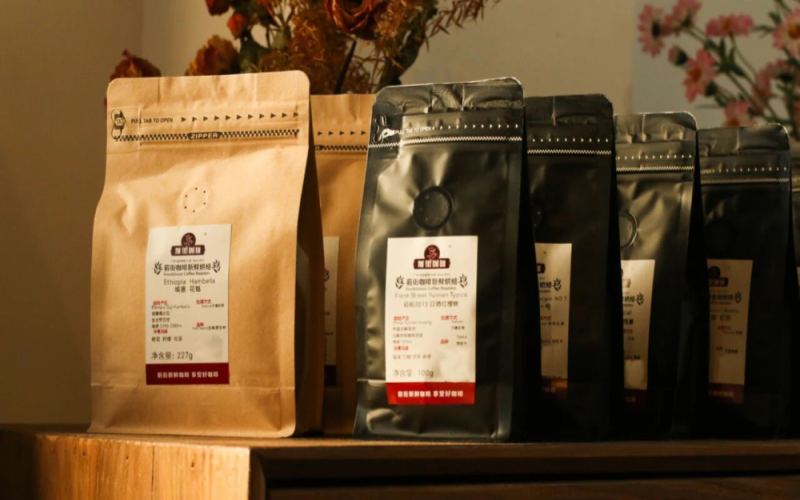
Where Does Coffee Fruit Flavor Come From? Four Dimensions—Variety, Origin, Processing Method, and Roast Level—Teach You to Choose the Right Fruit-Flavored Coffee Beans
The fascinating fruity aromas in coffee are no accident—they stem from aromatic compounds stored within the green beans, which are fully unleashed during roasting. To choose a fruity coffee that suits your taste, you need to consider four dimensions: variety, origin, processing method, and roast level. This article begins with the principles behind how fruity flavors form, sorts out the sources of common fruit flavors such as citrus, passion fruit, mango, and strawberry, and, drawing on Front Street Coffee's cupping experience, recommends five representative fruity coffee beans to help coffee lovers find the cup they're looking for. [more…]
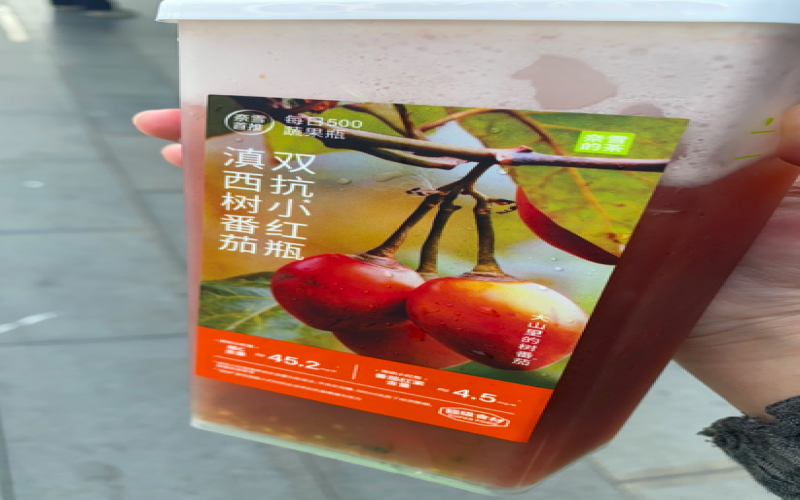
The Controversy Over Nayuki's Little Red Bottle Fruit Pulp: Freshly Squeezed Fruit Not Filtered—Selling Point or Drawback?
Nayuki recently launched a new product, the "Double-Antioxidant Little Red Bottle," featuring freshly squeezed Yunnan tree tomatoes paired with blueberries, cherry tomatoes, lemons, and other fresh fruits. It is advertised as sweet and tangy, rich in vitamin C and lycopene. However, not long after its release, the first wave of curious consumers began complaining: a large amount of fruit peel and seeds settles at the bottom of the cup, and one sip fills your mouth with grit—some people even nearly choked on a lemon seed. Staff responded that filtering the fruit puree was not required during preparation, and the final product varies due to differences in technique. Interestingly, netizens are divided on the issue—some suggest adding a filtration step, while others believe the fruit residue is precisely proof of "genuine ingredients." Behind this controversy lies the challenge of balancing taste and health in fruit-and-vegetable teas. [more…]

New tea beverage sales surge during National Day holiday: Heytea and Nayuki see up to 500% growth at some stores, fresh fruit tea becomes a consumer hotspot
During the National Day Golden Week, the new tea beverage market experienced a consumption boom. Sales at some outlets of leading brands such as Heytea and Nayuki grew by nearly 300% compared with before the holiday, with some stores seeing increases of as much as 500%, and fruit tea categories contributed nearly 80% of sales. Heytea's highest single-store daily fruit consumption exceeded 400 kilograms, while Nayuki's new products achieved cumulative sales of nearly one million cups. At the same time, both major brands lowered product prices, focusing on high cost-effectiveness. This article will analyze the performance and future direction of the new tea beverage industry in the holiday economy from the perspectives of sales data, supply chain layout, consumption trends, and pricing strategies. For more coffee bean news and specialty coffee recommendations, please follow Coffee Workshop and Front Street Coffee (FrontStreet Coffee). [more…]
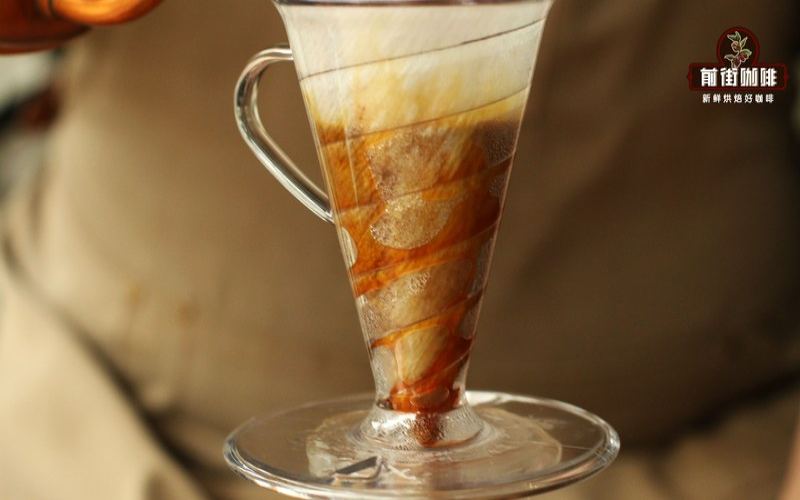
Roasting temperature differences for fruity coffee beans: how to choose by flavor
Fruity coffee beans don't express themselves in just one way. Even with the same fruit associations, a light roast may taste like freshly squeezed juice, with bright acidity and lifted aromatics; a medium roast tames the fruit acidity into a softer sweetness; and a medium-dark roast tucks the fruitiness into notes of caramel, cocoa, and ripe fruit. Choosing by roast level is more [more…]

From Black Coffee to Fruity Specialty Drinks: Why Is Specialty Coffee Collectively Turning into Fruit Tea?
The threshold for appreciating specialty coffee has always been high—from palate training to the investment of time and money, none can be skipped. Yet in recent years, the rise of specialty beverages, especially fruit coffee, is quietly changing this landscape. Adding fruit, sugar, alcohol, and Chinese ingredients—the boundaries of coffee have been broken time and again. Is this the degradation of specialty coffee, or an inevitable path to the mass market? This article analyzes the deep logic behind the combination of coffee and fruit from the perspectives of consumer data, industry trends, and barista competitions, and explores what professional foundation a good creative coffee should possess. Whether you are a purist who sticks to tradition or a creative beverage enthusiast who embraces innovation, this discussion about the boundaries of coffee is worth reading. [more…]
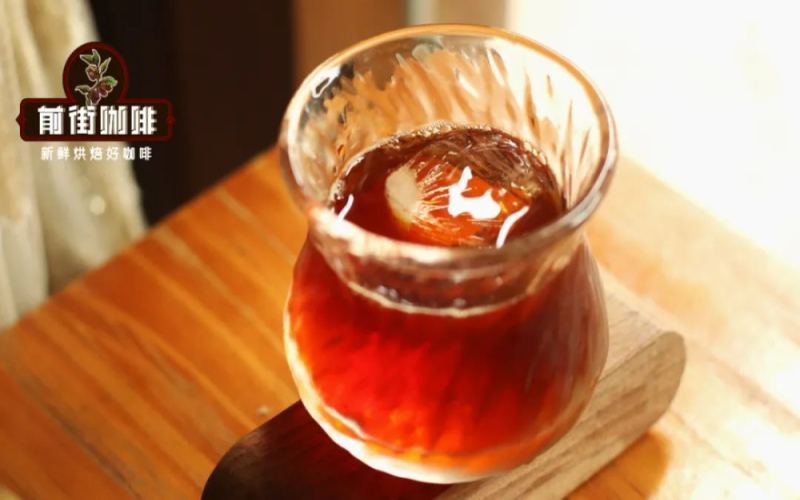
Low-temperature slow extraction meets fresh fruit infusion: four pairings tested, a step-by-step guide to making a well-balanced fruit cold brew
As temperatures keep climbing, the call for cold brew coffee grows louder and louder. The two thresholds of low temperature and slow steeping mean that the variables in cold brew are mainly concentrated in water volume, water temperature, and grind size, so there don't seem to be many ways to play around with it. But if fresh fruit and coffee beans are steeped together, could they collide into unexpected flavors? Front Street Coffee paired blueberries, grapes, lemons, and peaches with four coffee beans from different origins respectively and carried out a round of hands-on testing. From parameter settings to tasting impressions, and then to a summary of the patterns for choosing fruit and beans, the entire experimental process of this fruit cold brew was fully recorded, in the hope of offering some reference for friends who want to try it at home. [more…]
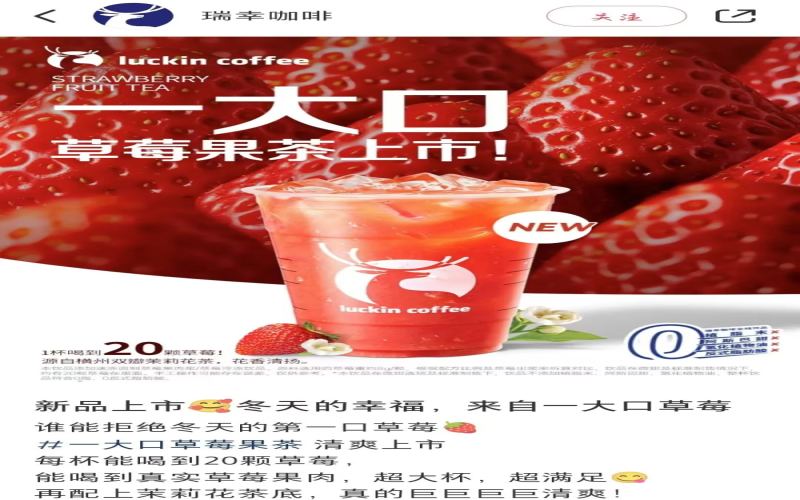
Luckin's Strawberry Fruit Tea claim of 20 strawberries sparks controversy; consumers say it's actually made with jam, causing a big gap in taste
Strawberry season has arrived, and major chain brands are rolling out seasonal limited-edition drinks one after another. Luckin has also jumped on the bandwagon with its Big Gulp Strawberry Fruit Tea, officially claiming that each cup contains 20 strawberries. However, after receiving the product, many consumers discovered that the drink was made from strawberry jam, far from the fresh fruit tea they had expected, and complaints have been flooding social media. The promotional approach of livestream hosts holding fresh strawberries stands in sharp contrast to the thick jam actually used in stores, sparking customer doubts about the truthfulness of the marketing. This article will sort through the ins and outs of the incident, present consumer feedback and the brand's response, and explore Luckin's consistent ingredient strategy for its fruit tea products. [more…]

A UK Heytea store was exposed for using frozen mango puree; the company responded that the quick-freezing process ensures a stable supply.
Recently, a Heytea customer in the UK discovered that the mango ingredient used in stores was not fresh fruit, but frozen fruit puree labeled as "frozen mango puree." This discovery sparked discussions among netizens in many overseas locations, with Heytea stores in markets such as the United States, France, and South Korea also accused of using frozen jams and purees instead of fresh fruits and vegetables. The brand responded that the use of quick-freezing preservation technology is intended to ensure stable supply for stores in a wider range of regions. Is it a cost consideration, or a limitation of overseas fruit quality? This article takes you through the ins and outs of the incident. [more…]